



How Much Does a Vacation in Formentera Cost? The Budget Guide
Formentera is one of the most beautiful islands in the Mediterranean: crystal-clear waters, white sandy beaches, and a relaxed atmosphere that is hard to find elsewhere. Because of its reputation as an exclusive place, many travelers wonder if it’s really accessible or if it’s only for people with a lot of money.
The answer is that Formentera can be enjoyed without spending a fortune, as long as you plan carefully and make conscious choices. In this guide, we analyse the main expense categories to help you organise a vacation in Formentera without surprises.
How Much Does a Vacation in Formentera Cost? The 4 Main Expense Categories
1. Accommodation
Accommodation is the biggest cost you’ll face in Formentera. Unlike other places, the island lacks big hotel chains and youth hostels, which usually keeps prices higher. However, there are solutions for every budget range.
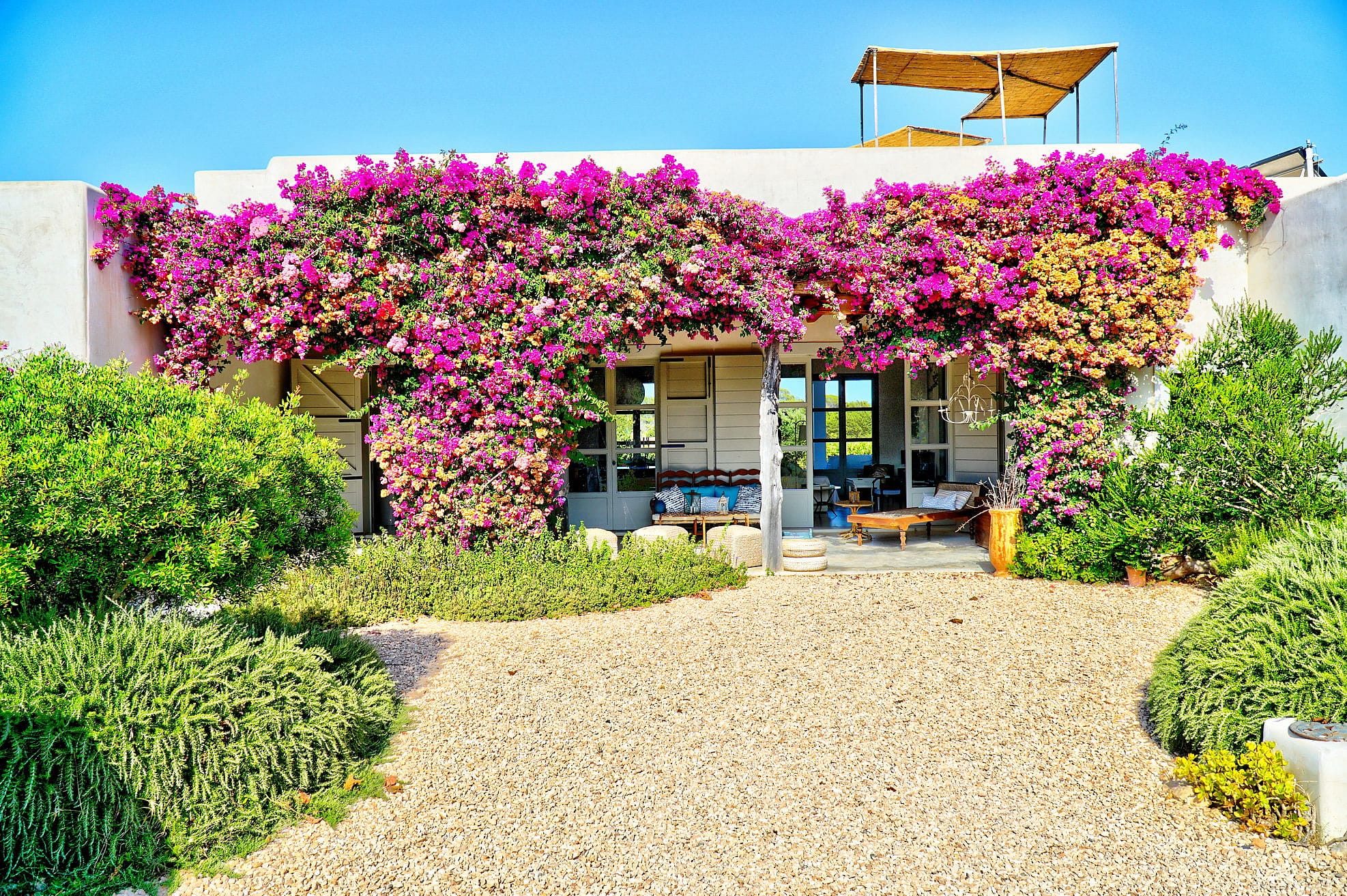
Rental apartments are the most common choice among visitors seeking a balanced quality-price ratio. By booking in advance, especially for stays of a week or more, it is possible to find acceptable solutions even in the mid-range. The areas that are more affordable compared to the center are Sant Ferran de Ses Roques and El Pilar de la Mola, connected to the rest of the island by the main road.
Pensions and small family-run hotels offer a valid alternative to agritourisms and luxury resorts. Even without pools or spas, they guarantee clean and comfortable rooms, often with breakfast included, in a more authentic and less touristy setting.
Those travelling on a tighter budget might consider camping. Formentera has equipped areas that allow you to stay on the island with a very limited daily expense, while still enjoying the proximity to the beaches and main services.
2. Food and Drinks
Formentera isn’t exactly a haven for cheap eats, though savvy diners can still enjoy a good meal without breaking the bank.
The bars and small local trattorias, especially those frequented by residents rather than tourists, offer dishes from the Mediterranean and Spanish tradition at reasonable prices. The menú del día, available in many restaurants in Sant Francesc Xavier and Sant Ferran, is one of the most convenient options for lunch: it includes a starter, main course, dessert, and drink at a fixed price that is significantly lower than the à la carte menu.
Local supermarkets, such as those in Sant Francesc, allow you to shop at reasonable prices and prepare some meals independently, particularly useful for breakfast or snacks on the beach. Fresh products, local fish, and typical cheeses represent excellent purchases even from a quality standpoint.
To avoid, if you want to save money, are the chiringuitos and beach clubs on the shore, where a cocktail or a simple dish can have a price disproportionate to the quality. These establishments are part of the island experience, but it is advisable to limit visits to them or choose them carefully.
3. Transportation
Getting around Formentera is relatively simple and can be cost-effective if planned well.
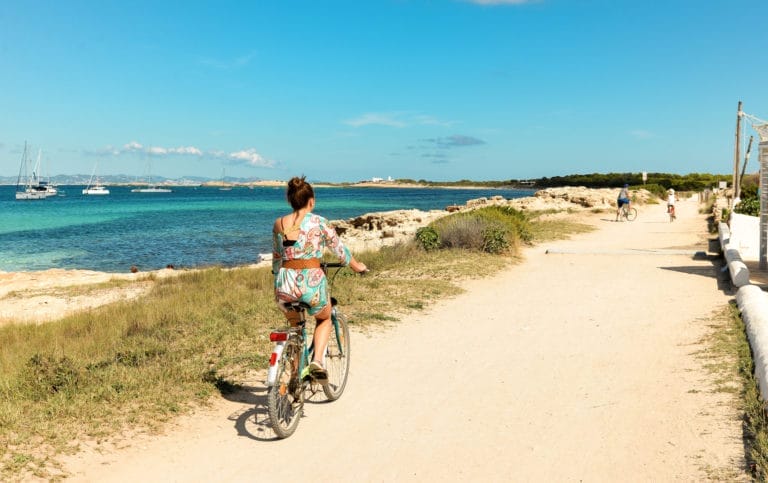
Biking is the most budget-friendly way to explore the island. Formentera boasts a network of bike paths linking all the key attractions, and you can easily rent a bike at reasonable rates, whether for a day or a week. Many shops offer discounts for extended rentals. For those who love outdoor activities, the bicycle is also the most enjoyable way to explore the island.
Scooters are the most common alternative, ideal for reaching the more remote beaches or for moving comfortably with beach gear. Rental costs fluctuate depending on the time of year and how long you need the vehicle. However, they tend to be more affordable than car rentals.
The public bus service connects the main centers of the island with reasonable frequency during the summer months. Although it does not cover all areas, it is sufficient to reach the most frequented beaches and the main towns at a cost of a few euros per trip.
Don’t forget to factor in the ferry fare from Ibiza, which is essential for getting to Formentera. The price fluctuates based on the ferry operator, the time of year, and how far ahead you book. You can save a good amount by buying tickets early or choosing the slower ferries over the hydrofoils.
4. Beaches and Activities
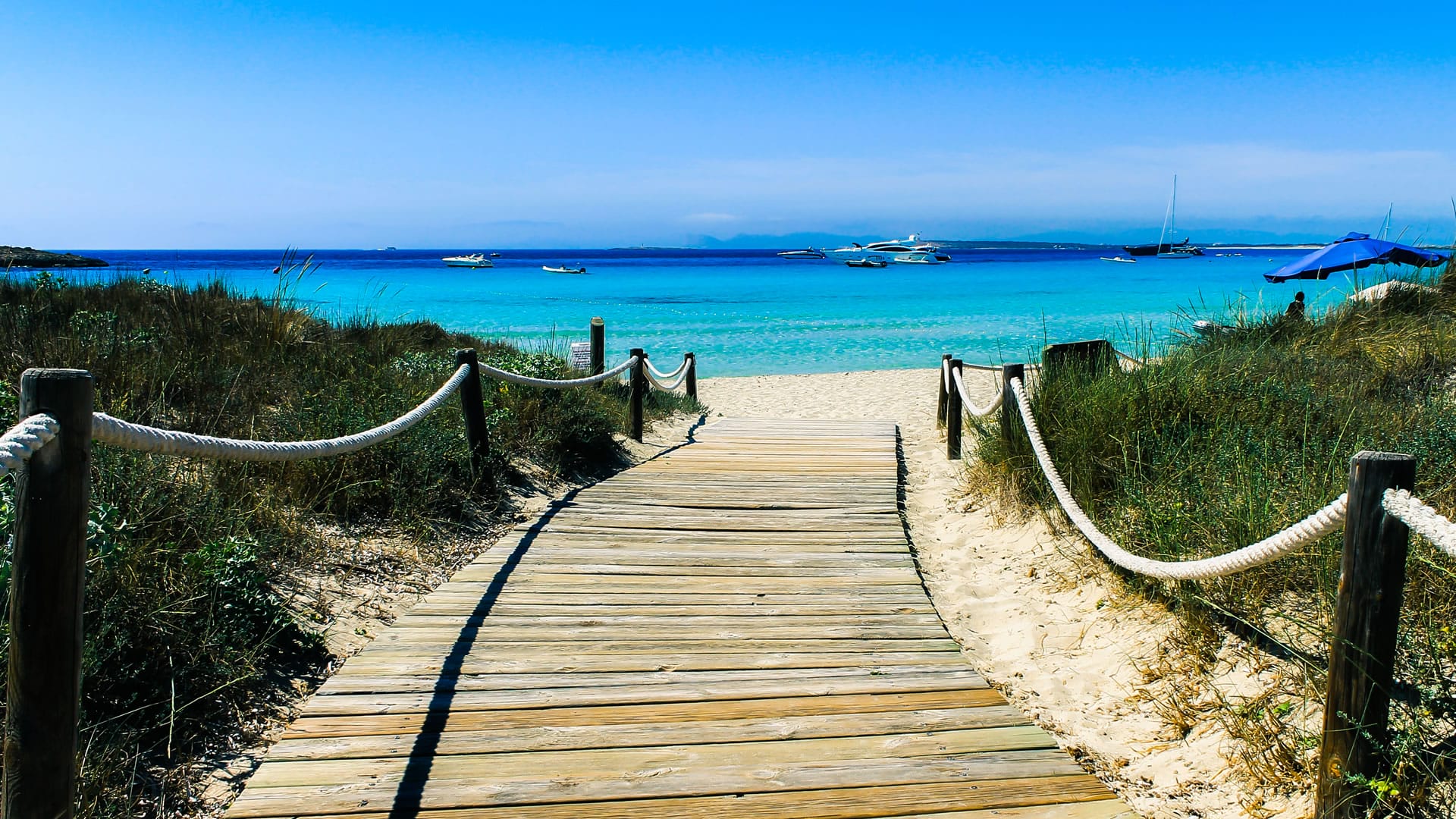
A big plus of Formentera is that most of the things to do there don’t cost a thing. Beaches like Ses Illetes, Migjorn, and Cala Saona are accessible to everyone and do not require any entrance fee.
Outdoor activities, such as trekking to the Cap de Barbaria lighthouse or kayaking along the coast, have very variable costs. Those who want to save money can bring their own equipment or limit themselves to unorganised activities, while those who prefer a guided experience will have to budget for an additional expense.
Courses and equipment rentals for water sports, such as snorkelling, windsurfing, or paddleboarding, are available at many beaches at prices that vary considerably. Comparing the offers of different operators before booking often allows you to find better rates.
Tips for Saving in Formentera
Travel Off-Season
The months from June to August see Formentera at its busiest, and consequently, its most expensive. Accommodation, ferry rides, and other services all come with a premium price tag during this time. Visiting the island in May or September allows you to enjoy still excellent weather, less crowded beaches, and significantly lower rates. The high season compresses the supply and inflates the prices; moving even by a few weeks makes a real difference.
Book Early
Formentera’s lodging options are fewer than those at other beach resorts. If you delay, you might be stuck with the priciest choices. Securing both your place to stay and ferry tickets several months ahead of time, particularly for summer trips, is a smart move to save money.
Avoid the Most Exclusive Beachfront Venues
The beach clubs and chiringuitos of Ses Illetes have become landmarks for high-spending tourism in recent years. Visiting them occasionally can be part of the experience, but basing your vacation on these places quickly drives costs out of control. The same beaches can be enjoyed by bringing your own packed lunch and a mat.
Frequently Asked Questions
Is Formentera expensive?
Formentera is often thought of as a pricey destination, particularly in the peak summer months, when prices soar. However, if you plan ahead, opt for lodging that’s not in the high-end resorts, and seek out places the locals enjoy, you can enjoy the island without breaking the bank.
Can you visit Formentera on a budget?
Yes, especially when travelling off-season, staying in apartments or guesthouses, getting around by bike, and eating in local bars and restaurants. The beaches and natural beauties of the island are free and accessible to everyone.
How much does it cost per day in Formentera?
A careful traveller can manage with 80-100 euros per day, including accommodation in shared lodgings or an apartment, meals at local eateries, and bike transportation. A medium budget is around 150-200 euros per day, while those who choose resorts, seaside restaurants, and beach clubs can easily exceed 400 euros per day.