



How much does it really cost to live in Formentera?
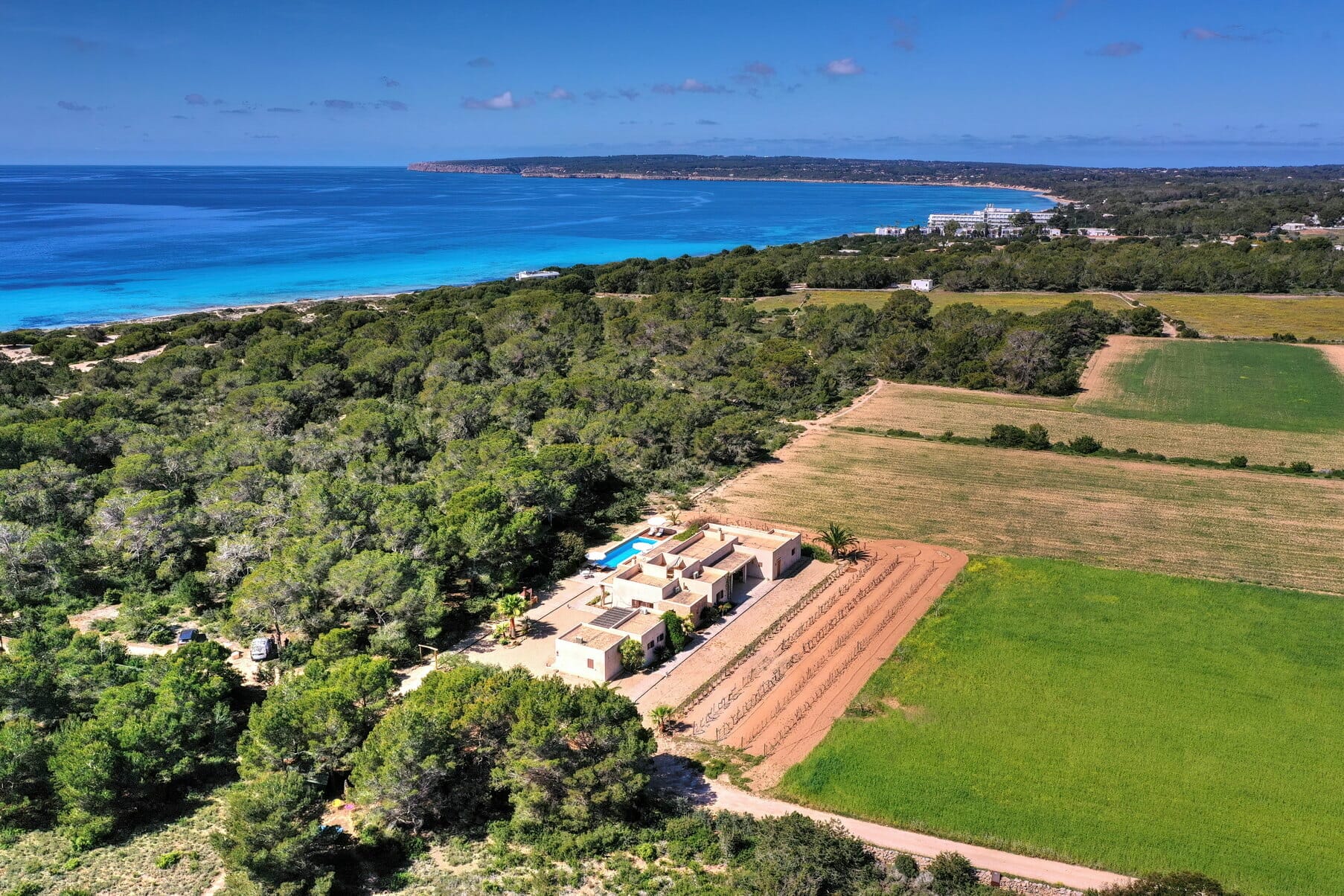
Formentera makes you dream. The most transparent sea in the Mediterranean, slow rhythms, untouched nature. But when the dream becomes a concrete project, the question everyone asks arises: how much does it really cost to live here?
The honest answer is: more than you think, less than you fear — if you know how the island works.
The most common misunderstanding
Those who approach Formentera with the idea of moving often make an error in judgement: compares the prices on the island with those of a large European city.
The comparison doesn’t work because Formentera is not a city. It is a small, isolated island with a seasonal economy and complex logistics.
Everything you consume here has arrived by sea. This has a cost, and that cost is reflected in every receipt, every bill, every expense you make.
That said, the quality of life you get in return is hard to find elsewhere at any price.
The house: the item that changes everything
The cost of housing is the variable that more than any other determines your monthly budget in Formentera.
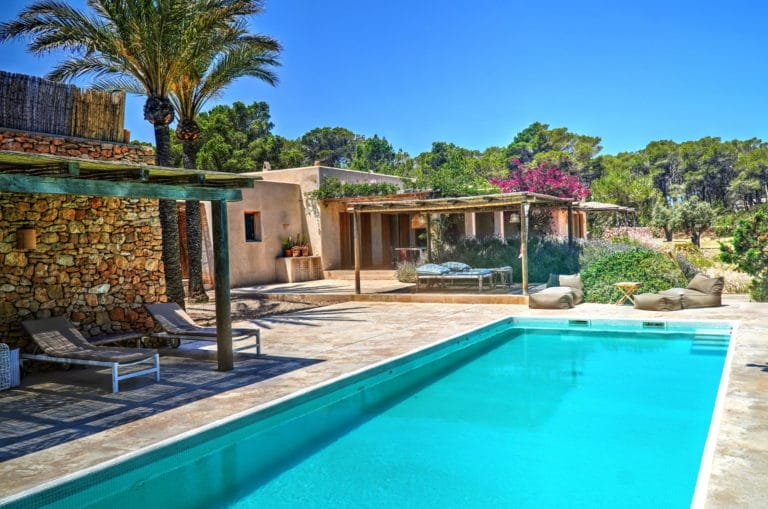
If you want to buy, be prepared for significant amounts. The island’s real estate market is among the most exclusive in the Balearics: prices per square meter for a residential property start at around 4,000 and 5,000 euros in less central areas and easily exceed 10,000 and 15,000 euros for properties with sea views or in the most sought-after areas like Illetes or Es Arenals. A villa with a pool is hardly found for less than one and a half million euros.
If, on the other hand, you want to rent to live there year-round — and this is the most common choice for those moving for the first time — the long-term rental market is limited and competitive. An apartment with one or two bedrooms off-season costs between 1,200 and 1,800 euros per month. A detached house with a garden can easily reach 2,000 and 3,000 euros per month. During the summer months, many owners prefer to rent to tourists at much higher prices, which further reduces the supply for those looking for annual contracts.
The practical advice: move between September and November, when landlords are more willing to negotiate and the supply is greater.
The daily shopping
The supermarket in Formentera costs on average 20 or 30% more than on the Spanish mainland. Fresh products, meat, fish — everything arrives by ferry from Ibiza or the mainland, and the transportation costs are passed on. The convenience stores are few and mainly concentrated in Sant Francesc Xavier and Es Pujols.
A weekly grocery bill for a person who cooks at home is around 80 and 120 euros. A couple can expect to spend between 150 and 220 euros a week on groceries, without any particular excesses.
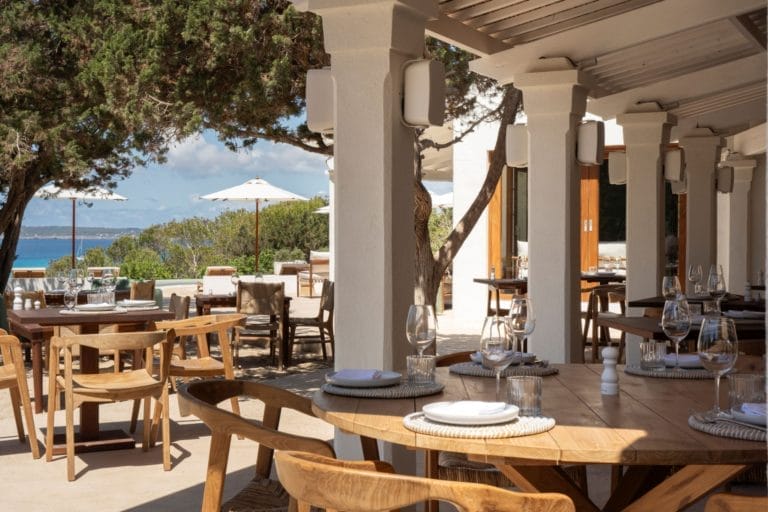
Eating out is another story. Formentera in recent years has seen a significant transformation in its gastronomic offerings, with high-level restaurants and prices that reflect the tourist clientele.
A lunch at a beach chiringuito can easily cost 40-60 euros per person with wine.
A dinner in a regular restaurant ranges from 25 to 50 euros per person. There are obviously cheaper options—local bars, pizzerias, markets—but expecting prices from a small european town would be unrealistic.
Transportation: the island that you can explore by bike
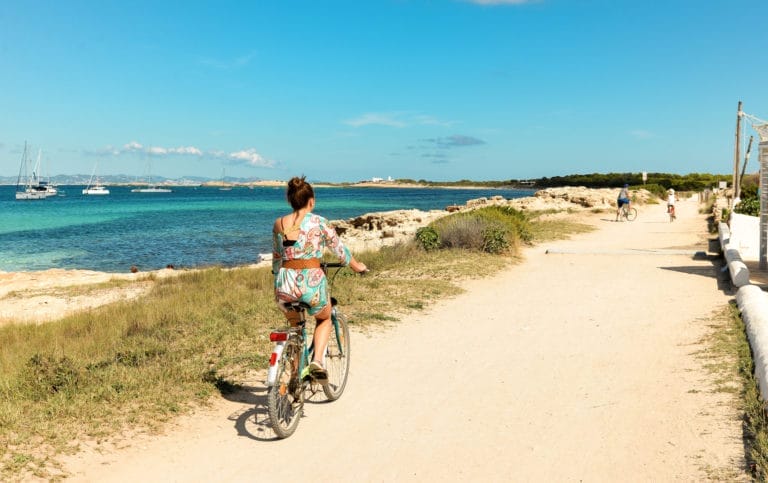
This is one of the areas where Formentera pleasantly surprises. The island measures about 20 kilometres from east to west and is very well suited for getting around by bicycle or scooter. Those who live here year-round rarely need a car, at least for daily movements.
Renting a bicycle costs between 5 and 15 euros per day in summer, but those who reside permanently buy their own for very low amounts. A second-hand 125cc scooter can be found between 1,500 and 3,000 euros.
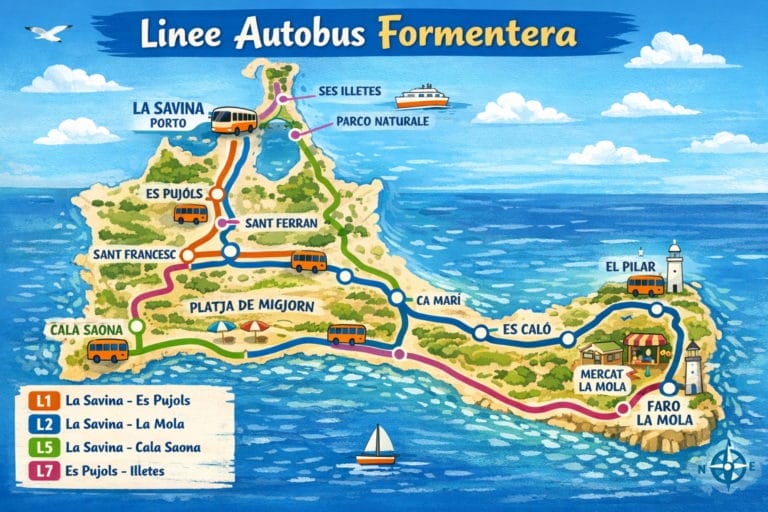
Public transportation exists but is limited: some bus lines connect the main inhabited areas, with reduced frequencies out of season. Many residents use it occasionally, but it is not sufficient as the only means of transportation.
Those who need to leave the island have to deal with the ferry.
The Formentera-Ibiza route costs 25 one way during the high season. If you work in Ibiza or need to travel frequently, this item can become significant in the monthly budget.
Formentera residents pay €2.50 one way
Ibiza residents pay €8.00 one way
Utilities and services
Bills in Formentera are on average higher than the Spanish average. Electricity is an important item: A medium-sized house can have electricity bills between 150 and 300 euros per month in winter, less in summer if consumption is managed well.
Water is another sensitive issue. Formentera does not have sufficient natural sources to meet the needs of the population, and the water is partially desalinated. The cost is average for Spain, but the awareness of usage is high among those living on the island.
Internet and connectivity have improved significantly in recent years. Fibre optic is available in the main areas and the quality is acceptable for smart working. A fixed connection with good speed costs between 40 and 50 euros per month.
Healthcare and public services
Formentera has a public health center in Sant Francesc Xavier with emergency services and basic care. For more complex or specialised procedures, the reference is the hospital in Ibiza, accessible by ferry. Those with private health insurance have access to better facilities even on the island.
For residents with an NIE and registration in the municipal census, access to the Spanish healthcare system is free, just like for any European citizen. This is a significant advantage for those who choose to move permanently.
Public schools are present and operational. Education primarily takes place in Catalan and Spanish, which is an important factor for families with children to consider.
A realistic monthly budget
Making an accurate estimate is difficult because it depends a lot on the lifestyle. But as a rough guide, here’s what to expect for a single person living on the island year-round in a balanced way — neither Spartan nor luxurious:
Rent for a decent apartment: between 1.000 and 1,400 euros. Food expenses: 250 and 300 euros. Restaurant and social life: 200 euros per month. Utilities: 100 and 200 euros. Miscellaneous and unforeseen expenses: 150 and 250 euros.
The total amounts to around 1.500 and 2.000 euros per month for one person, excluding fixed costs related to any mortgage payments or extra healthcare expenses.
A couple with two incomes, organised and with their own house, can live well with a total monthly income of 2.500 and 3.000 euros.
Is it worth it?
This is the wrong question. Or rather: it depends on what you’re looking for.
If you are looking for an affordable place to live, Formentera is not for you. There are places in Spain — and in Europe — where the same budget guarantees much more in terms of services, size, and comfort.
If, on the other hand, you seek a deep sense of quality of life — nature, beauty, slowness, a small and authentic community, the sea five minutes from home all year round — then the balance is restored.
Absolutely
Formentera is not expensive. It is selective. And those who choose it consciously rarely want to leave.
Are you considering moving to Formentera or looking for a property to live in year-round? Contact us: we know the island in every detail and can help you find the right solution for your life project.